
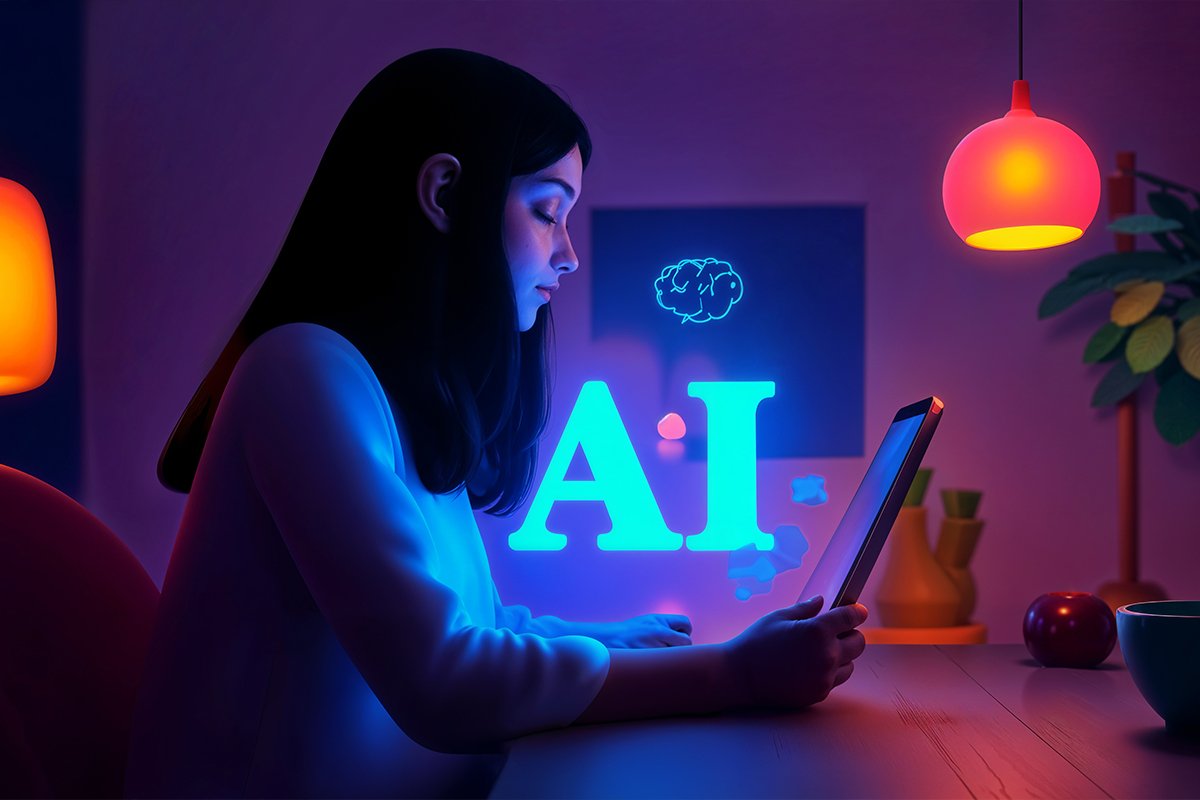
The world of graphic design is evolving at lightning speed, and Artificial Intelligence (AI) is at the forefront of this transformation. From automating repetitive tasks to generating creative concepts, AI is reshaping how designers work and how brands communicate visually. Understanding these changes is essential for designers and businesses looking to stay ahead.
1. AI-Powered Design Tools
AI tools like Adobe Sensei, Canva AI, and Figma’s plugins help designers create layouts, generate color palettes, and even suggest typography combinations. These tools reduce manual work and speed up the design process.
Why it matters: Designers can focus more on strategy and creativity, while AI handles time-consuming tasks like resizing, color matching, or image editing.
2. Automated Content Generation
AI can generate graphics, logos, and illustrations based on input parameters, making it easier for small businesses or startups to get professional visuals quickly. Tools like DALL·E, MidJourney, and Runway ML are transforming the way designers brainstorm and prototype ideas.
Why it matters: Faster concept creation reduces costs, shortens project timelines, and allows for rapid experimentation.
3. Enhanced Personalization and User Experience
AI can analyze user data to tailor designs for specific audiences. From website interfaces to marketing materials, AI-driven insights help create visuals that resonate with individual preferences, increasing engagement and conversions.
Why it matters: Personalized design experiences build stronger connections between brands and their audiences, improving loyalty and ROI.
4. Predictive Design and Trend Analysis
AI algorithms can study design trends, audience behavior, and performance data to predict what type of visuals will perform best. Designers can use these insights to make informed creative decisions and stay ahead of trends.
Why it matters: Trend-driven designs ensure your brand stays modern, relevant, and appealing to your target audience.
“AI will reach human levels by around 2029. Follow that out further … the intelligence of our civilization will be multiplied a billion-fold.”
Ray Kurzweil
Futurist, Inventor
5. Ethical Considerations and Human Creativity
While AI enhances efficiency, human creativity remains irreplaceable. Designers must guide AI tools ethically, ensuring originality, avoiding copyright issues, and maintaining authentic brand storytelling.
Why it matters: Combining AI efficiency with human creativity produces innovative, high-quality designs that resonate on a deeper level.
Final Thoughts
AI is not here to replace designers—it’s a powerful tool that enhances creativity, efficiency, and personalization in graphic design. By embracing AI, designers and brands can innovate faster, create more impactful visuals, and deliver experiences that truly connect with audiences.
If you want to explore how AI-powered design can elevate your brand’s visual identity, I can help you integrate cutting-edge design solutions that balance creativity and technology.
